
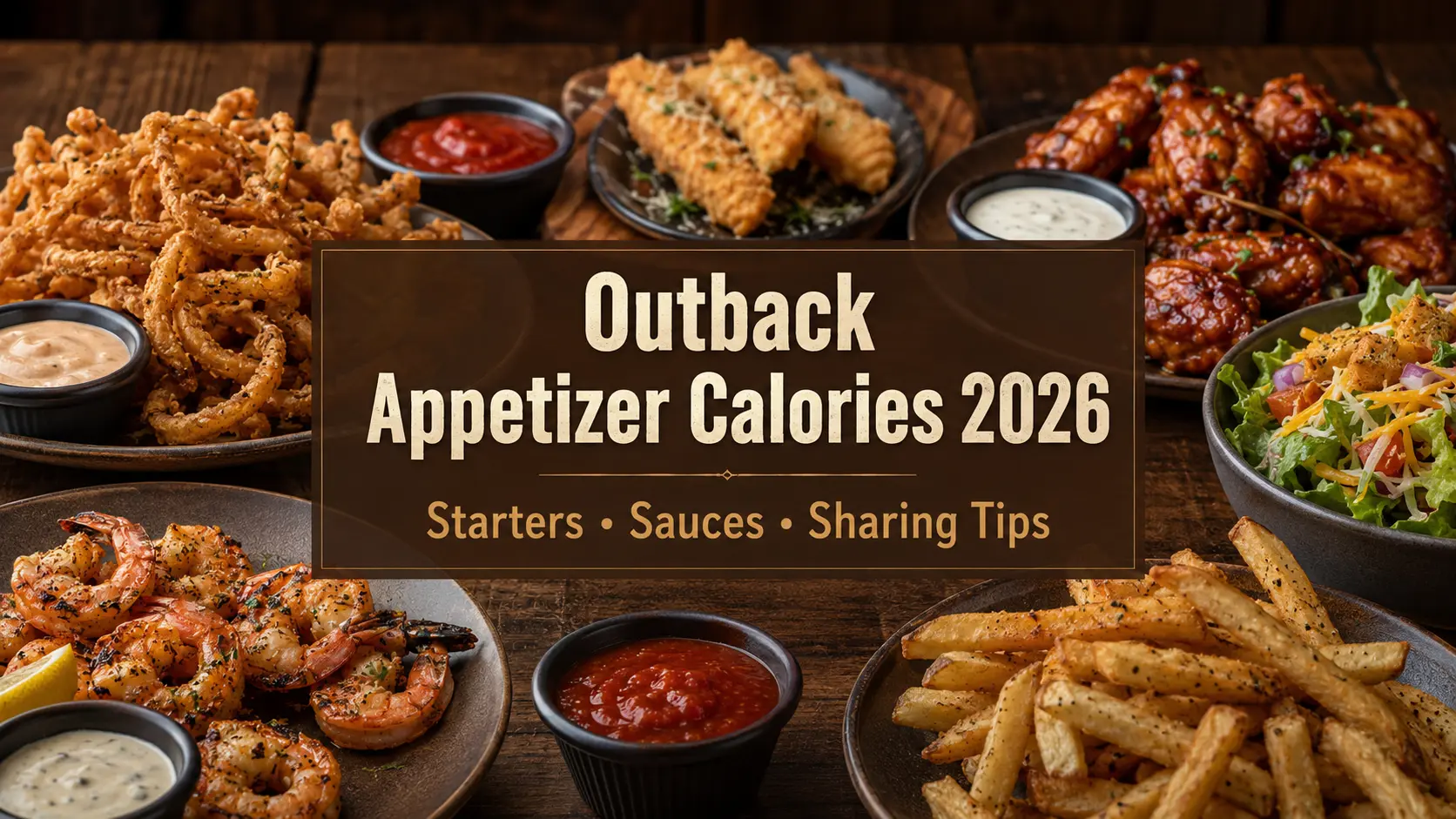
Outback Appetizer Calories Guide 2026
Outback appetizer calories can vary widely because a starter may be grilled, breaded, fried, cheese-topped, sauced, or designed for several people. This independent guide explains how to compare current starters, account for dips and add-ons, plan a shared portion, and identify simpler choices before placing an order.
If several people share it, the calories each person consumes depend on the number and size of pieces eaten and the amount of dip used. Dividing the whole-item figure by the number of diners gives a planning estimate only when everyone eats an equal portion. For a closer nutrition-focused review, see our Bloomin Onion calories guide.
Nutrition and location disclaimer: Calories, portions, sauces, recipes, sides, toppings, ingredients, and availability may vary by location and can change. Check the current official nutrition information and the menu for your selected restaurant. This article provides general menu-planning information, not medical or personalized dietary advice, and does not guarantee that an item fits a particular eating plan.
Quick Answer: How Many Calories Are in Outback Appetizers?
There is no single calorie number for every Outback appetizer. A simply prepared shrimp starter may have a different total from fried onion petals, cheese fries, sauced wings, or a combination platter. Serving size matters, and the listed total may cover the entire restaurant portion rather than one person’s share.
For the most reliable answer, match the exact appetizer name to the latest official nutrition resource, confirm whether sauce and toppings are included, and divide only after deciding how much each person will actually eat. Sharing can reduce calories per person, depending on portion size and the number of people, but an even mathematical share is not guaranteed.
Use the Outback appetizers menu with prices to see starter choices, then compare them with the Outback nutrition menu guide. The local menu and current first-party nutrition information should take priority if details differ.
Outback Appetizer Calories Overview
Preparation and portion are the most useful starting points. Fried coatings absorb cooking fat; cheese and bacon add energy-dense toppings; and creamy, sweet, or oil-based dips can increase the complete serving total. A grilled item may be simpler to compare, although oil, seasoned butter, glaze, and sauce still count.
Menu wording provides clues, not guarantees. Terms such as loaded, crispy, fried, cheese-topped, and with dipping sauce signal components worth checking. The official figure for the exact current item is more useful than a generic estimate based on its name.
Appetizer Calorie Comparison Table
| Appetizer type | General calorie pattern | Main variables | What to verify |
|---|---|---|---|
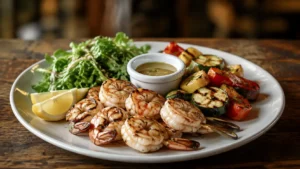
| Grilled shrimp or another simply prepared protein starter | Often worth comparing as a lighter-style choice | Oil, seasoned butter, glaze, sauce, bread, and portion | Whether accompaniments are included in the listed calories |
| Wings | Can range substantially by portion and preparation | Frying, breading, sauce, dry seasoning, and dip | Wing count, flavor, dip, and full serving definition |
| Fried shrimp or breaded seafood | Usually higher than a comparable unbreaded preparation | Coating, frying oil, sauce, and serving size | Exact preparation and included condiments |
| Cheese fries | Typically a higher-calorie shared starter | Fries, cheese, bacon, toppings, dip, and portion | Full versus smaller portion and included sauce |
| Bloomin’ Onion or another fried onion starter | Typically a higher-calorie whole appetizer | Large portion, batter, frying oil, and dipping sauce | Whole-item calories, sauce inclusion, and actual share eaten |
| Combination or shared platter | Often substantial for the complete platter | Component mix, multiple sauces, toppings, and number of diners | Calories for each component or the complete listed platter |
This table offers category-level guidance and does not assign unofficial calorie counts to named appetizers. Current first-party nutrition information should be used for exact standard-menu figures.
Lower-Calorie Appetizer Choices to Compare
A lower-calorie appetizer is usually easier to plan when it has a modest portion, a non-fried preparation, and few added sauces or toppings. Depending on the current local menu, grilled shrimp or another simply prepared protein may be worth comparing with large fried or loaded starters. Loaded fries can change quickly when cheese, bacon, ranch, and sauce are added. For a closer breakdown, review our loaded fries calorie guide.
- Look for grilled rather than breaded: Still count cooking oil, butter, glaze, and sauce.
- Choose a clearly defined portion: A smaller current serving is easier to track than an open-ended shared platter.
- Request sauce separately: This lets diners choose how much to use, but it does not reveal a precise customized calorie total.
- Consider a simple side instead: If no starter fits the plan, ask whether a side salad or plainly prepared vegetables can serve the same purpose and check all toppings and dressing.
The phrase “low calorie” should not be assumed from appearance alone. A small dish can include rich butter or sauce, while a salad can include generous dressing, cheese, or crunchy toppings. Compare the complete standard serving with options in the Outback low-calorie meals guide.
Higher-Calorie Appetizer Choices to Check Carefully
Large fried onion appetizers, loaded cheese fries, fried seafood, heavily sauced wings, and multi-item platters commonly deserve closer review. These foods combine one or more calorie-contributing elements: a large portion, frying oil, breading, cheese, bacon, sweet or creamy sauce, and several dips. For a closer look at fried cheese appetizers, see our Mac and Cheese Bites calories guide, which explains cheese filling, fried coating, dipping sauce, portion size, and sharing tips.
Higher calorie does not mean a diner must avoid an item. It means the whole serving, accompaniments, and intended share should be clear. Decide on a portion before eating, use a small plate, and count the rest of the meal rather than treating a shared starter as nutritionally invisible.
Bloomin’ Onion Calorie Note
The Bloomin’ Onion is a large battered and fried onion appetizer served with dip, so its whole-item total is not comparable to a single onion ring or one diner’s serving. Check the exact current official listing to see whether the stated calories include the dipping sauce. Do not reuse an old number or a third-party estimate when the current restaurant resource is available.
If several people share it, the calories each person consumes depend on the number and size of pieces eaten and the amount of dip used. Dividing the whole-item figure by the number of diners gives a planning estimate only when everyone eats an equal portion. The Bloomin’ Onion guide provides more information about the menu item, pricing considerations, and sharing.
Cheese Fries, Wings, Shrimp, and Shared Starters
Cheese Fries
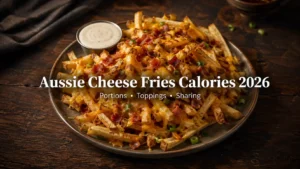
Outback cheese fries calories depend on the exact portion and everything served with the fries. Cheese, bacon or other toppings, and dipping sauce can make the complete order meaningfully different from plain fries. Confirm whether a smaller portion is offered and whether the official entry includes the dip.
Wings
Wing totals can change with the number of pieces, cooking method, breading, seasoning, sauce, and side dip. Compare the exact named flavor and serving rather than applying one wing count to another. Sauce on the side may provide more portion control, but the kitchen may not publish calories for that modification.
Shrimp
Grilled shrimp and fried shrimp should be treated as different preparations. Breading, frying oil, seasoned butter, glaze, cocktail sauce, and creamy dip all affect the comparison. Verify whether bread, garnish, or another accompaniment comes with the current starter.
Combination and Shared Starters
A combination platter can include foods with different preparation methods and several sauces. Look for a published figure for the whole platter or its listed components, then plan the portion actually eaten. Avoid assuming every diner receives an equal calorie share simply because the plate is placed in the center.
Sauce and Dip Calorie Notes
Sauces and dips are easy to miss because they may arrive in small cups, be tossed onto wings, or be included automatically. Creamy dips, cheese sauces, oil-based sauces, sweet glazes, and multiple condiments can increase appetizer calories. The amount served may also differ from the amount actually eaten.
| Sauce situation | Question to ask | Practical approach |
|---|---|---|
| Dip included with a starter | Does the appetizer’s listed total include the full dip? | Check the official entry and use only the amount desired |
| Wings tossed in sauce | Is nutrition listed for this exact flavor and portion? | Do not substitute the number for plain or differently sauced wings |
| Extra sauce | Is the extra cup listed separately? | Add its published serving when available |
| Sauce on the side | Is there nutrition for the amount actually used? | Avoid claiming an exact custom total without measured information |
Best Appetizer Choices for Sharing
The best starter for sharing is one the group can portion intentionally. A platter with separable pieces, a known item count, or a clear serving description may be easier to divide than a heavily topped dish. The calorie-conscious choice still depends on the appetizer, number of diners, sauces, and what follows.
- Agree on the number of diners sharing. Include only people who expect to eat it.
- Check the whole-item figure. Confirm whether dips and garnishes are included.
- Use side plates. Portion a planned share rather than repeatedly eating from the center.
- Divide sauces too. Sharing food without accounting for dip can understate each portion.
- Consider the next course. A starter before a full dinner affects the meal differently from an appetizer used as a shared snack.
Sharing can reduce calories per person when it reduces the portion each diner consumes. It is not an automatic guarantee: two diners splitting a large platter may eat more per person than four diners sharing a modest starter.
Tips to Reduce Calories When Ordering Appetizers
- Choose the restaurant location first. Confirm its current menu, portion, and availability.
- Read the complete description. Note breading, cheese, bacon, glaze, butter, sauce, and dips.
- Compare preparation methods. Check grilled or non-breaded choices against fried versions using official figures.
- Order sauce on the side when possible. Use the amount wanted rather than assuming the entire cup is required.
- Skip unneeded add-ons. Extra cheese, sauce, and toppings can increase the total.
- Pre-portion a shared order. Divide it onto plates before the group begins eating.
- Pair the starter with the rest of the meal. Count the entrée, sides, drinks, sauces, and dessert as separate components.
- Avoid false precision. If nutrition for a customization is not published, describe the change without inventing a new calorie count.
For a protein-focused meal, compare the starter with the Outback high-protein menu options. A protein-containing appetizer is not necessarily low in calories when it is fried, cheese-topped, or served with rich sauce.
Drinks can change the complete meal total too. Review the Outback drink calories guide, then compare the lunch menu and dinner menu for the rest of the order.
What to Check Before Ordering
- The exact appetizer name and current serving size
- Whether the item is grilled, breaded, fried, tossed in sauce, or topped
- Whether calories cover the whole plate, one piece, or another defined serving
- Whether dip, sauce, cheese, bacon, bread, garnish, and other add-ons are included
- How many people will share and how the food will actually be divided
- Whether a requested substitution has published nutrition information
- Current ingredients and allergen guidance when relevant
- Availability and recipe details at the selected location
Nutrition information does not answer every allergen question. Review the current official allergen resource and speak with restaurant staff about ingredients and kitchen procedures if an allergy is relevant. Cross-contact may be possible, and this page cannot determine whether a food is suitable for an individual.
If cost is another priority, compare the Outback best-value meals guide and best Outback meals under $15. Price, value, protein, and calories are separate measures. More independent planning pages are available from the OutbackMenuPrice.com homepage.
Frequently Asked Questions
What is the lowest-calorie appetizer at Outback?
The answer depends on the current local menu, exact portion, preparation, and accompaniments. A modest grilled or otherwise simply prepared choice may be worth comparing with large fried and loaded appetizers. Verify the complete serving in the latest official nutrition information instead of relying on a category label.
How many calories are in an Outback Bloomin’ Onion?
Use the current official nutrition listing for the exact whole appetizer and check whether sauce is included. Recipes and published information can change, so this guide does not repeat a fixed number. A per-person estimate also depends on how much onion and dip each diner actually eats.
Are Outback cheese fries high in calories?
Cheese fries are typically a higher-calorie starter because the order can combine fries, cheese, bacon or other toppings, and sauce. The precise total depends on the current full or smaller portion and included condiments. Check the exact named serving.
Are grilled shrimp a low-calorie appetizer?
Grilled shrimp may be a lighter-style choice to compare, but it is not automatically low in calories. Portion size, oil, seasoned butter, glaze, bread, and dipping sauce matter. Use the published figure for the full current preparation.
Does ordering sauce on the side reduce calories?
It can help a diner control how much sauce is used. The actual reduction depends on the amount left uneaten, and an exact customized total should not be claimed without published or measured information.
How should I calculate calories when sharing an appetizer?
Begin with the official whole-serving figure, including sauce when applicable. Dividing by the number of diners gives an estimate only if shares are equal. A more realistic approach is to portion the food and dips onto individual plates before eating.
Do appetizer calories include dipping sauce?
It depends on how the official nutrition entry defines the serving. Some listings may bundle accompaniments while others may list them separately. Read the notes and item names carefully, then add a separately listed sauce when it is part of the order.
Are the calorie comparisons on this page official counts?
No. This is an independent planning guide that describes general patterns without assigning fixed counts to named appetizers. Use the current official nutrition resource and the menu for the selected location for first-party figures.
Sources & Official References
Use these first-party resources to verify current starter names, standard-serving calories, allergen information, and local availability. Select a restaurant where prompted.
- Official Outback menu — review current menu categories and item descriptions.
- Official Outback appetizer or starter menu section — open the appetizer category for the selected restaurant when available.
- Official Outback nutrition resources — verify current calories and serving details.
- Official Outback allergen resources — review current allergen guidance when relevant.
- Official Outback locations page — select a restaurant and confirm local availability.
Editorial note: Official resources and local menus can change. This independent article explains a comparison method and should not replace the latest first-party nutrition, ingredient, or allergen information.







5 Comments
Comments are closed.